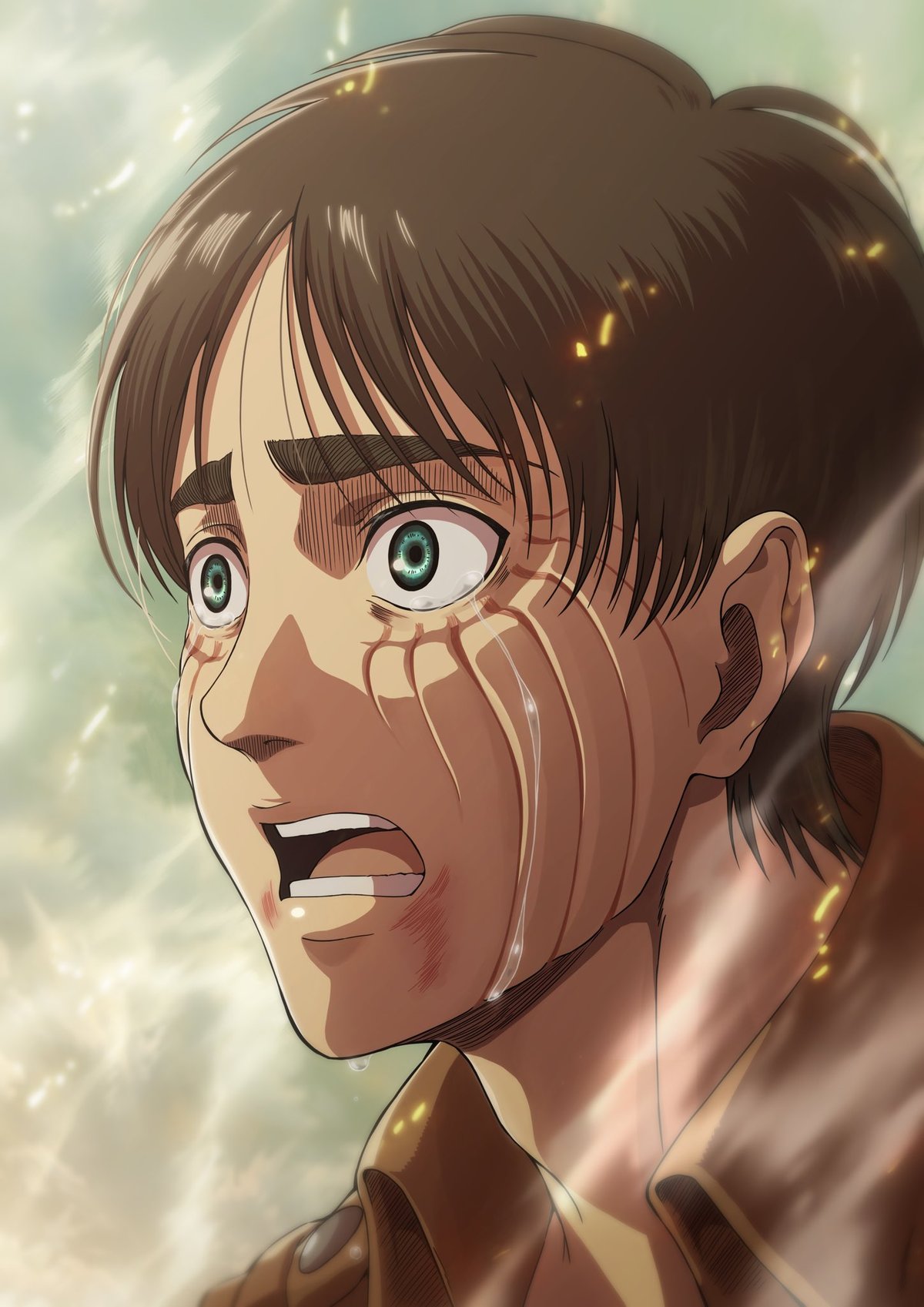
Let's address the burning question right from the start: Eren Yeager, the impassioned protagonist from Attack on Titan, does not physically appear within the world of The Promised Neverland. The two series, while both masterpieces of dark fantasy and psychological tension, exist in separate fictional universes. However, the very curiosity that leads readers to search for "Eren Yeager in The Promised Neverland explained" isn't misplaced. Fans instinctively pick up on profound thematic echoes and character parallels that make these distinct narratives feel spiritually connected.
This flagship hub delves deep into why these comparisons are so compelling. We explore the shared philosophical landscapes, the harrowing journeys of their protagonists, and the chilling similarities in how both worlds confront their characters with impossible choices. Prepare to uncover the shared DNA that makes discussing Eren Yeager's "presence" in Grace Field House a genuinely insightful exercise.
Unpacking the Core Misconception: Is Eren Really There?
The first step in understanding this fascinating cross-over discussion is to clarify the facts. While the internet is rife with fan theories and speculative crossovers, the official canon of The Promised Neverland features Emma, Norman, and Ray navigating their escape from Grace Field House, a human farm operated by demons. There is no mention or appearance of characters from the world of Titans, including Eren Yeager.
For a definitive breakdown, we encourage you to explore to fully grasp the separation of these universes and why the question arises in the first place. This pillar lays the factual groundwork before we dive into the more intriguing theoretical connections.
Shared Struggles: Freedom, Survival, and the Harsh Realities
Both The Promised Neverland and Attack on Titan are unflinching in their exploration of humanity's fight for survival against overwhelming odds. The children of Grace Field House yearn for freedom from their grim fate as livestock, much like the people within Paradis Island long to break free from the walls that imprison them from the monstrous Titans. This fundamental struggle for self-determination defines both narratives.
These stories probe the very essence of what it means to be free, often asking how much one is willing to sacrifice for it. To understand how deeply intertwined these ideas are across both series, you'll want to read . It highlights the intricate ways both stories weave these crucial themes into every twist and turn.
Mirroring Journeys: How Protagonists Echo Eren's Resolve
While Eren Yeager's individual journey is unique, elements of his character arc — his unwavering resolve, his capacity for both hope and despair, and his eventual embrace of extreme measures for freedom — resonate strongly with the paths taken by Emma, Norman, and Ray. Each of The Promised Neverland's central trio embodies different facets of a hero confronted by a brutal world.
Emma's indomitable spirit and refusal to leave anyone behind recall Eren's early drive to protect humanity. Norman's strategic brilliance and pragmatic sacrifices mirror a more mature, calculating Eren. Ray's internal conflict and self-sacrificial tendencies reflect Eren's own struggles with his identity and purpose. Diving into the growth of these characters reveals profound similarities in how they grapple with their destiny. Discover more about to see how the character development across both series aligns, often in surprising ways.
The Trio vs. The Lone Wolf: A Deeper Look at Leadership
One of the most compelling comparisons lies in how leadership is portrayed. Eren, a singular force driven by vengeance and a desperate vision for freedom, often carries the weight of the world alone. In contrast, Emma, Norman, and Ray operate as a formidable trio, each contributing their unique strengths to overcome their challenges. Yet, the burden of leadership and the moral compromises it demands are shared experiences across both worlds.
For a detailed breakdown of how these different approaches to heroism align, despite their superficial differences, check out . This guide offers a granular analysis of their individual traits and collective impact.
The Nature of the Threat: Unmasking Complex Antagonists
Both The Promised Neverland and Attack on Titan feature antagonists who are far more complex than simple villains. The demons of The Promised Neverland operate within an established societal structure, with their own motivations and internal politics, much like the Titans, and later, the Marleyans and Eldians themselves, are revealed to have deep-seated histories and justifications for their actions. This complexity forces protagonists to confront not just monsters, but systems and ideologies.
Understanding the layered nature of these threats is key to appreciating the depth of both stories. The caretakers like Isabella, with her deeply conflicted maternal role, embody a similar psychological nuance to characters like Zeke Yeager, whose villainy is steeped in a tragic personal history. To fully grasp these intricate relationships, delve into .
Narrative Depth: Psychological Tension and Unwavering Stakes
Beyond character and theme, the very feel of both series shares striking commonalities. Both employ intense psychological tension, constantly putting their characters (and readers) on edge with high stakes and morally ambiguous situations. The confined, claustrophobic settings, whether Grace Field House or the walled cities of Paradis, amplify the sense of dread and urgency. The artwork, particularly the expressive character designs and use of light and shadow, expertly conveys these emotional states.
This mastery of suspense and emotional resonance is a hallmark of both franchises, gripping audiences from their opening moments. To appreciate the narrative craft that elevates these series, we highly recommend exploring . It explores how they build unbearable tension and deliver profound emotional impact.
The Echo of Endings: Reflecting Shared Messages
Ultimately, the impact of a story often lies in its conclusion. Both The Promised Neverland and Attack on Titan push their characters to their limits, forcing them to make choices with irreversible consequences. While their resolutions are distinctly different in execution, they share a common thread of exploring the cost of freedom, the cyclical nature of conflict, and the enduring power of hope, even in the darkest of times. They leave audiences contemplating profound questions about humanity's future and the choices we make for the next generation.
To delve into how these powerful finales resonate with each other, uncovering the shared philosophical underpinnings of their messages, explore . This piece offers a reflective look at the lasting legacy of both narratives.
While Eren Yeager might never step foot in Grace Field House, his "presence" in discussions surrounding The Promised Neverland is a testament to the universal power of storytelling. These two anime and manga giants, through their shared commitment to complex themes, evolving protagonists, and unflinching psychological depth, invite us to compare, contrast, and ultimately, appreciate the rich tapestry of dark fantasy that continues to captivate audiences worldwide. The conversation around their interconnected spirit will undoubtedly continue to evolve as new generations discover their profound narratives.